
Wheat Bran
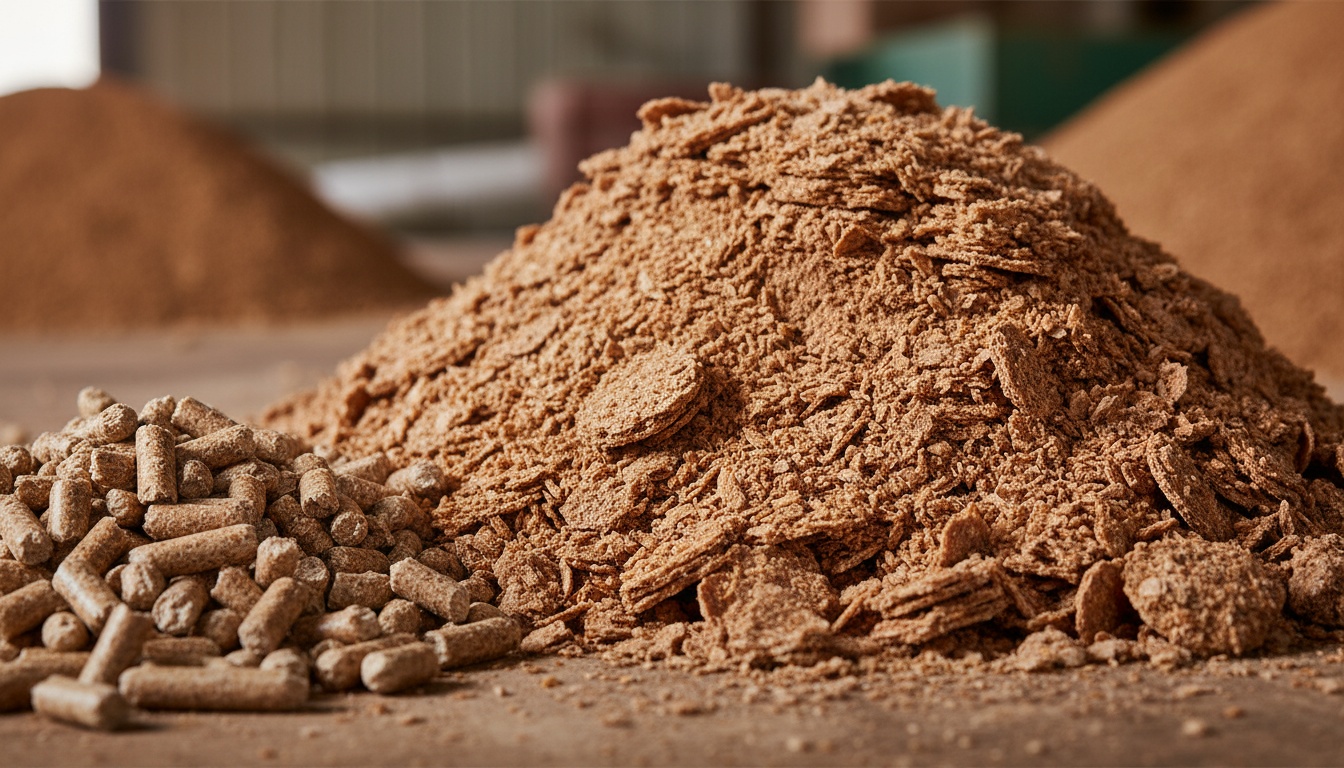
Feed grade, pelleted or loose, 15% protein
Wheat bran is the outer layers of the kernel separated during milling, and it is a by-product with a genuine market rather than a waste stream. Crude protein runs 14–16%, higher than the wheat it came from because protein concentrates in the aleurone layer, and crude fibre at 10–12% makes it a useful bulk and digestibility component in ruminant rations. It is palatable, mildly laxative and widely used in dairy cattle feeding, horse feeds and as a carrier in compound feed manufacture. Where it is weaker is energy density — the starch stayed in the flour — so bran supplements a ration rather than driving it, and phytate phosphorus limits its value in monogastric diets unless phytase is added.
The practical decision is loose versus pelleted, and it is a freight and handling question rather than a nutritional one. Loose bran is bulky with a low density that makes it expensive to ship any distance and awkward to store without bridging. Pelleting roughly doubles bulk density, cuts dust, improves flow and makes long-haul freight economic, at the cost of the pelleting itself. For a buyer within a short radius of the mill, loose is usually cheaper; for anything crossing water, pellets almost always win once freight is in the calculation. Bran also picks up whatever mycotoxin load was on the outside of the grain, which is why the certificate matters more here than the headline protein. CBIL brokers wheat bran and middlings loose, bagged and pelleted with SGS certification of protein, fibre, moisture and mycotoxins at load port.
Indicative reference
$165–215 USD / MT
as at September 2026
Reference level only — not an offer, and reviewed quarterly. Levels shown are as at September 2026. Firm pricing is quoted per RFQ, subject to volume, terms and inspection.
Typical Specification
Specifications are indicative and adjusted to the agreed contract and destination requirements. Final spec confirmed on COA / SGS.
Available Grades
Applications
- Dairy & beef cattle rations
- Horse & equine feed
- Compound feed carrier
- Poultry feed (with phytase)
- Aquafeed & pet food filler
Category
Agriculture & Fertilizers
Incoterms
FOB · CFR · CIF
Pricing basis
USD / MT
Inspection
SGS / Intertek at load port
Wheat Bran — buyer questions
Loose or pelleted — which should I buy?
It is a freight question. Pelleting roughly doubles bulk density, so a container or a hold carries about twice the tonnage, and it also cuts dust and stops bridging in silos. If you are close to the mill, loose is cheaper because you avoid the pelleting cost. If the cargo crosses water, pellets almost always come out ahead once freight per tonne is in the calculation.
Why does bran have more protein than the wheat it came from?
Because protein concentrates in the aleurone layer just under the bran coat, and milling separates that layer out with the bran rather than into the flour. The starch — the bulk of the kernel's weight and most of its energy — goes into the flour. So bran ends up higher in protein and fibre but lower in energy than the whole grain, which is exactly why it supplements a ration rather than forming its base.
Can I feed wheat bran to poultry?
In limited inclusion, yes, but with care. The fibre dilutes energy density and the phosphorus is largely bound as phytate, which monogastrics cannot use efficiently and which also ties up other minerals. Adding phytase releases much of it and improves the economics considerably. In ruminants none of this applies — the rumen handles both the fibre and the phytate, which is where bran genuinely earns its place.
What is the most important thing on the certificate?
Mycotoxins. Contamination concentrates on the outside of the kernel, so whatever was on the grain arrives in the bran at higher levels than in the flour. Aflatoxin B1 and DON should be certified on every lot, not assumed from the milling wheat's certificate. Protein and fibre matter for formulation, but they will not make an animal ill.
Ready to source Wheat Bran?
Send your quantity, specification, preferred Incoterms and destination port. We'll verify supply and respond with a workable offer — usually within one business day.
Have Wheat Bran to sell? Submit an offer — we'll match it against live buyer demand.