
Organic Sugar
Certified organic cane — blonde, white & demerara
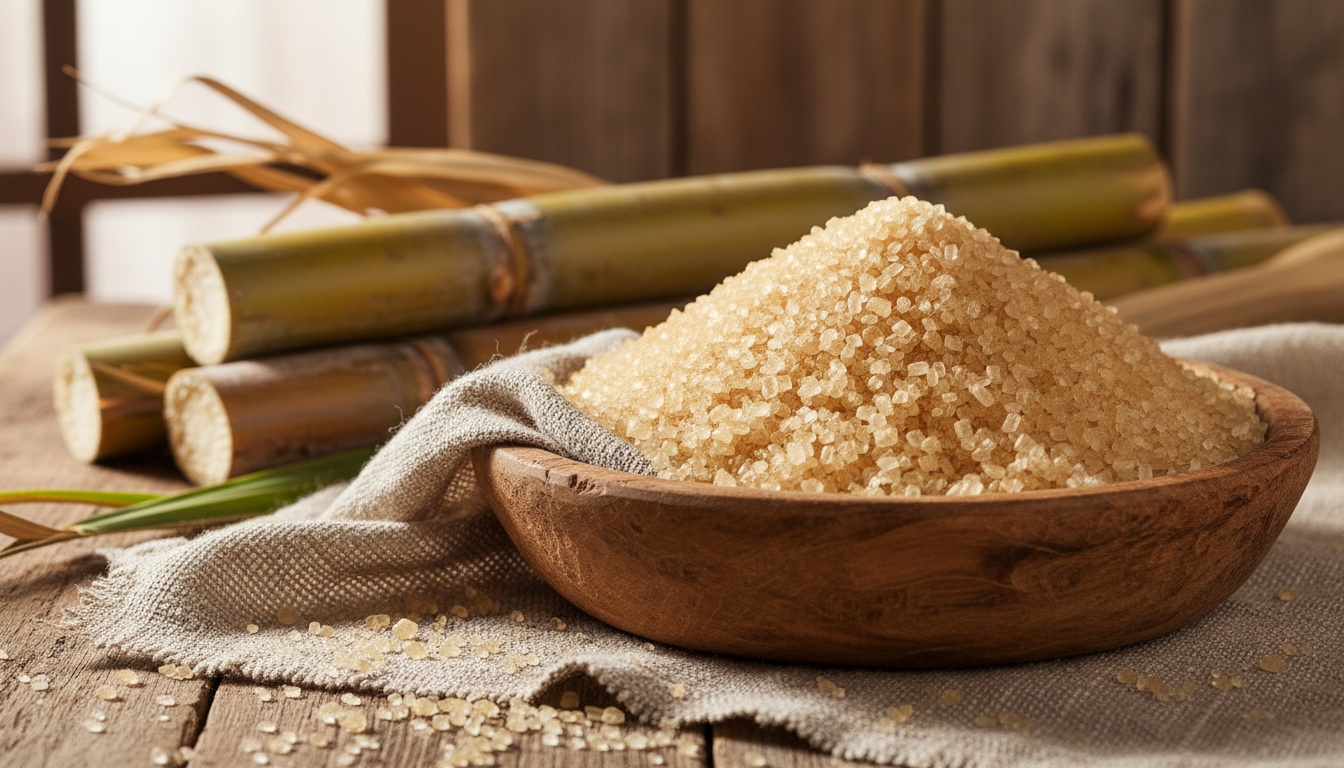
Organic sugar is conventional cane sugar produced without synthetic fertilisers, pesticides or processing aids that the relevant organic standard prohibits, and its commercial character is defined by certification rather than by the crystal. The main grades are organic blonde — a light golden crystal, minimally processed, the most widely traded — organic white at a whiter colour grade, and organic demerara for speciality use. Certification is the product: EU organic, USDA NOP, JAS and equivalents each have their own rules, and a lot certified to one is not automatically acceptable under another. Chain of custody must be unbroken from field through mill, storage and shipment, with certificates covering every handler. Brazil and Paraguay dominate supply, with India significant, and the crop is often bundled with Fairtrade certification.
Buy organic where your finished product carries an organic claim, since the sugar cannot be certified retrospectively and a break anywhere in the chain invalidates the lot. That is the whole basis of the premium, which typically runs meaningfully above conventional. What you should not do is buy organic sugar for a product that does not carry the claim — the sucrose is chemically identical and you would be paying for a certificate nobody will see. The practical risks are certification scope and continuity. Confirm that the certificate covers your destination market's standard specifically, that it is current, and that every handler in the chain is included; a lapse at a warehouse invalidates the lot as surely as one at the mill. Volumes are also smaller than conventional, so a year-round programme wants forward commitment. CBIL brokers organic sugar against certification scope, chain of custody, ICUMSA colour, polarisation and moisture, on FOB Santos and Indian ports, CFR and CIF terms.
Indicative reference
$820–1,250 USD / MT
as at September 2026
Reference level only — not an offer, and reviewed quarterly. Levels shown are as at September 2026. Firm pricing is quoted per RFQ, subject to volume, terms and inspection.
Typical Specification
Specifications are indicative and adjusted to the agreed contract and destination requirements. Final spec confirmed on COA / SGS.
Available Grades
Applications
- Organic food & beverage manufacture
- Organic retail packing
- Natural & clean-label brands
- Organic bakery & confectionery
- Certified private label
Category
Agriculture & Fertilizers
Incoterms
FOB · CFR · CIF
Pricing basis
USD / MT
Inspection
SGS / Intertek at load port
Organic Sugar — buyer questions
Is one organic certificate good for every market?
No, and this is the most common and most expensive mistake. EU organic, USDA NOP and JAS each have their own rules, and a lot certified under one is not automatically acceptable under another. Confirm the certificate covers your destination market's standard specifically before contracting, not after the container arrives.
What breaks a chain of custody?
Any handler in the chain who is not themselves certified — a warehouse, a repacker, a transhipment operator. A lapse at a storage facility invalidates the lot exactly as a lapse at the mill would. Ask for certificates covering every handler, not just the producer, and check they are current for the shipment period.
When is organic sugar not worth the premium?
Whenever the finished product does not carry an organic claim. The sucrose is chemically identical to conventional, so you would be paying a substantial premium for a certificate no customer will ever see. Organic is bought to enable a claim; if there is no claim, there is no reason.
Can I secure year-round organic supply?
With forward commitment, yes. Organic volumes are far smaller than conventional and allocation tightens, so spot availability is thinner and prices more volatile. A continuous programme should be contracted ahead against confirmed certified allocation rather than bought lot by lot.
Ready to source Organic Sugar?
Send your quantity, specification, preferred Incoterms and destination port. We'll verify supply and respond with a workable offer — usually within one business day.
Have Organic Sugar to sell? Submit an offer — we'll match it against live buyer demand.
More in Sugar
ICUMSA 45 Refined White Sugar
Sparkling white, 99.80° pol — the export benchmark
Mill White Sugar (ICUMSA 100–150)
Crystal & plantation white — the value white grade
Raw Cane Sugar (VHP)
99.4° pol, ICUMSA 600–1200 — refinery feedstock
Demerara & Muscovado Sugar
Demerara, muscovado & turbinado — natural browns
Beet Sugar
EU & CIS refined white — identical sucrose, different chain
Liquid Sugar & Invert Syrup
Liquid sucrose, invert & golden syrup — 67-77 Brix