
Niger Seeds
Sortex-cleaned bird-feed & crushing grade
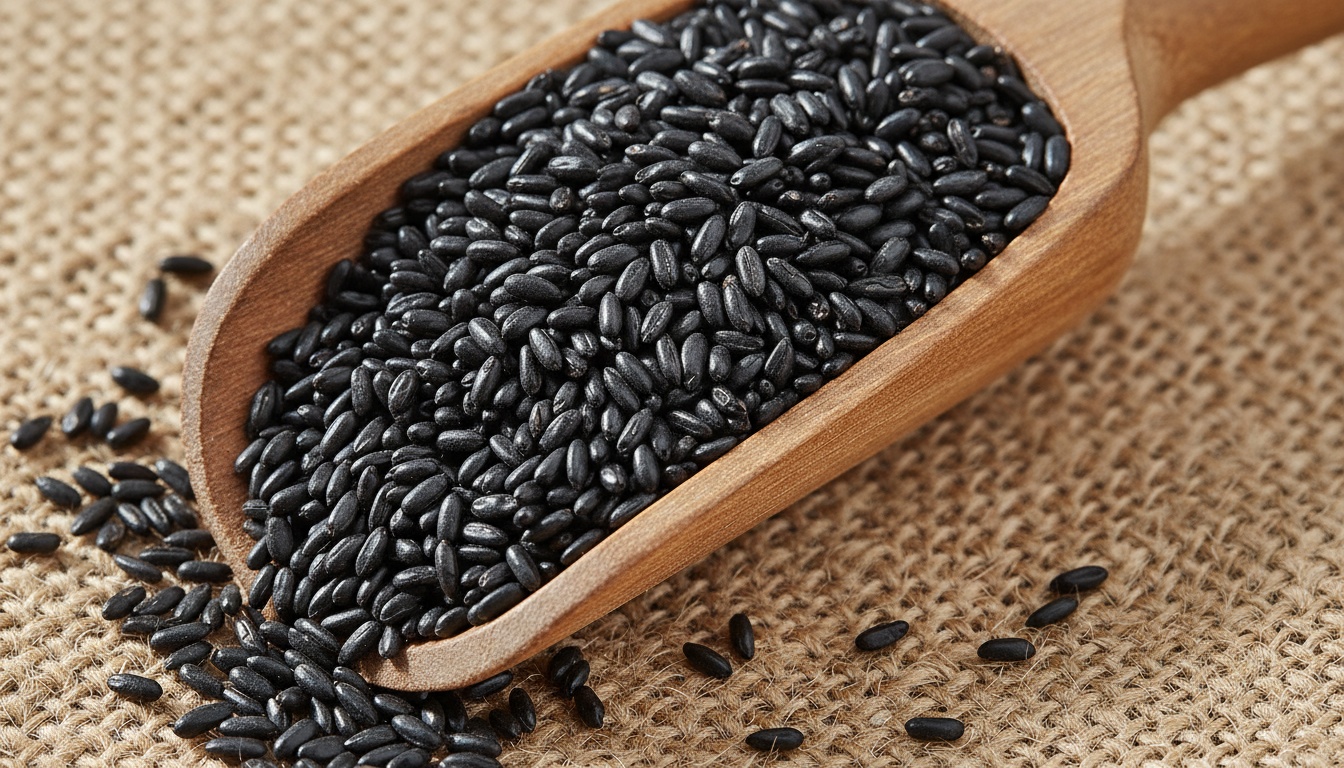
CBIL supplies niger seed (Guizotia abyssinica, also traded as nyjer or ramtil) from Indian and Ethiopian origins, Sortex-cleaned and gravity-separated to 98–99% purity with oil content typically 38–42%. Two distinct demand streams pull on this seed and they specify differently. The bird-feed trade — by far the larger buyer, and the reason niger moves at all in Europe and North America — cares about purity, admixture and, above all, weed-seed content, because niger imported for feed is normally required to be heat-sterilised to prevent viable weed seeds germinating on arrival, and a lot that fails the germination requirement is a phytosanitary problem, not a quality complaint. Crushers, mostly in India and Ethiopia, buy on oil content and FFA and are indifferent to sterilisation.
A buyer picks niger over other small seed where the market wants it specifically — finch and wild-bird feed has no real substitute for it — rather than as an interchangeable oil seed, which is why it prices above mustard and flax despite similar oil content. The seed is small, light and slow to clean, so Sortex class is the practical quality marker and a poorly cleaned lot shows up immediately as dust and screenings at the feed line. Every lot ships against SGS or Intertek certification of purity, admixture, weed-seed content, moisture at ≤ 8%, oil content and FFA, with heat-sterilisation and phytosanitary documentation where the destination requires it, in 25kg and 50kg PP or jute bags, container-load, on FOB, CFR and CIF terms.
Indicative reference
$1,050–1,400 USD / MT
as at September 2026
Reference level only — not an offer, and reviewed quarterly. Levels shown are as at September 2026. Firm pricing is quoted per RFQ, subject to volume, terms and inspection.
Typical Specification
Specifications are indicative and adjusted to the agreed contract and destination requirements. Final spec confirmed on COA / SGS.
Available Grades
Applications
- Bird feed & wild-bird mixes
- Oil crushing & refining
- Feed compounding
- Snack & bakery (regional)
Category
Agri-Foods, Spices & Nuts
Incoterms
FOB · CFR · CIF
Pricing basis
USD / MT
Inspection
SGS / Intertek at load port
Niger Seeds — buyer questions
Does niger seed for bird feed need to be sterilised?
In most Western destinations, yes. Niger imported for feed is normally required to be heat-sterilised so that any weed seeds travelling with it cannot germinate on arrival. It is a phytosanitary requirement rather than a quality preference, and it is checked — so tell us the destination at enquiry stage and we will structure the lot with the sterilisation and phytosanitary documentation it needs.
Why does niger price above mustard and flax when the oil content is similar?
Because it is not bought as an interchangeable oil seed. Finch and wild-bird feed demand is specific to niger and has no real substitute, the crop is small and concentrated in India and Ethiopia, and the seed is slow and expensive to clean. Oil content is almost beside the point for the buyers who set the price.
What Sortex purity should I order?
99% for feed lines that are sensitive to dust and screenings, 98% where you have your own cleaning and can take the discount. Niger is small and light, so cleaning is the real cost in the seed — a cheap lot is usually a cheap lot because of what is still in it.
Ready to source Niger Seed?
Send your quantity, specification, preferred Incoterms and destination port. We'll verify supply and respond with a workable offer — usually within one business day.
Have Niger Seed to sell? Submit an offer — we'll match it against live buyer demand.
More in Oil Seeds
Hulled Sesame Seeds
99/1 & 99/2 purity, graded by whiteness
Natural Sesame Seeds
Unhulled white, brown & black seed by oil content
Mustard Seeds
Yellow & black seed by oil content and erucic acid
Flaxseed (Linseed)
Brown & golden linseed by oil and omega-3 content
Castor Seeds
Graded on oil yield and ricinoleic acid content