
In-Shell Groundnuts
Unshelled nuts graded by pod count & shelling outturn
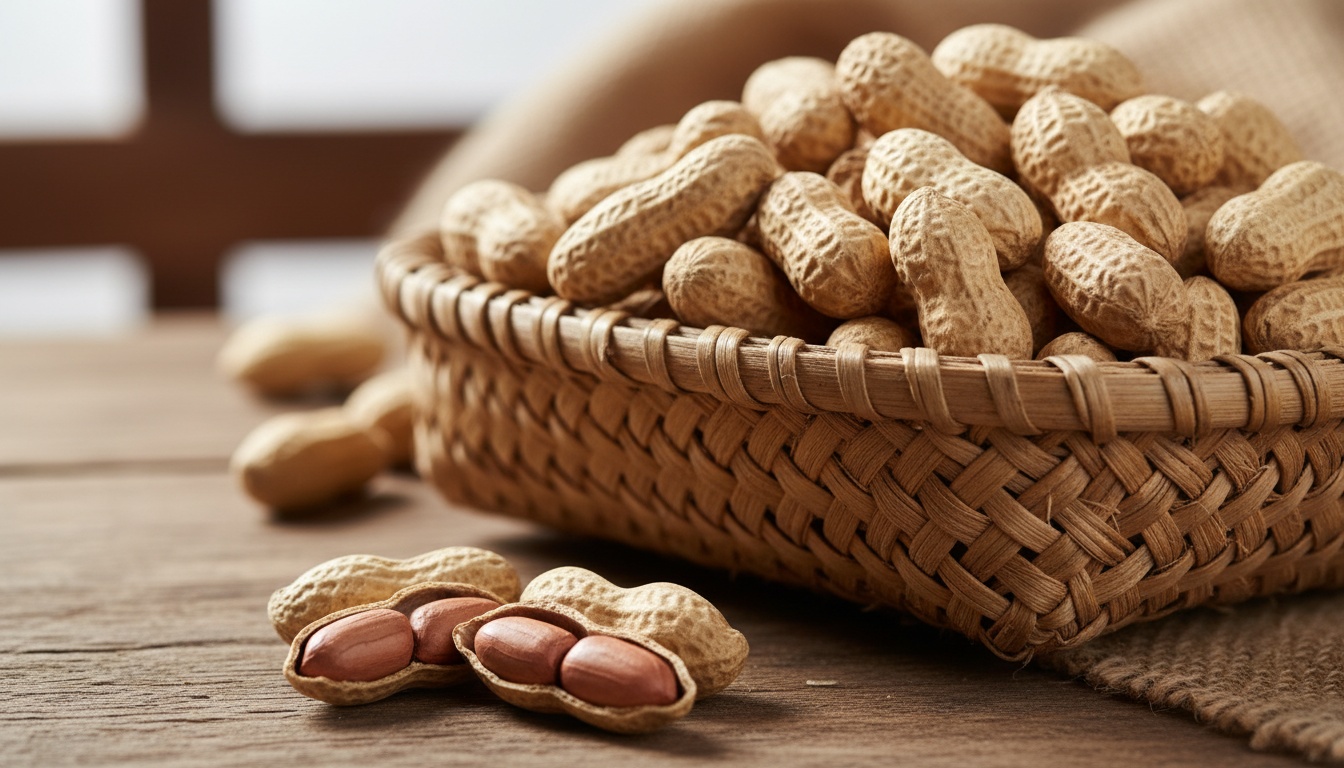
CBIL supplies in-shell groundnuts — unshelled pods graded by count per ounce, pod size and, critically, shelling outturn: the kernel yield you actually recover, typically 68–72% by weight. Outturn is the number that decides whether the cargo makes sense, because you are paying freight and duty on shell you will throw away. That is exactly why the head price sits well below shelled kernels while the delivered cost per kilo of kernel can land higher, and why buyers only specify in-shell for a reason: roasting and retail packing where the shell is the product, ballpark and street-roast trade, bird and animal feed, or feeding an own shelling line where the shell protects the kernel through a long transit. Anyone buying kernels for a butter or confectionery line should be buying shelled material, not paying to ship shell.
The specification runs on pod count, moisture at ≤ 9% (measured on the whole pod, so shell moisture is in the figure), shell damage and immature or empty pods, admixture, and aflatoxin — the shell offers some field protection but is no defence against a bad drying season, so lots still screen to the EU 4 ppb total limit under Regulation (EC) 1881/2006 or the ~15 ppb tolerance most other markets apply. Every lot ships with SGS or Intertek certification of count, outturn, moisture, aflatoxin and admixture plus phytosanitary and fumigation documentation. Supply is structured in 25kg and 50kg jute or PP bags, container-load, on FOB, CFR and CIF terms — note that in-shell cubes out before it weighs out, so a 20ft container loads materially less tonnage than shelled kernels.
Indicative reference
$950–1,200 USD / MT
as at September 2026
Reference level only — not an offer, and reviewed quarterly. Levels shown are as at September 2026. Firm pricing is quoted per RFQ, subject to volume, terms and inspection.
Typical Specification
Specifications are indicative and adjusted to the agreed contract and destination requirements. Final spec confirmed on COA / SGS.
Available Grades
Applications
- In-shell roasting & retail packing
- Street & ballpark roast trade
- Bird & animal feed
- Own-shelling line supply
- Oil crushing
Category
Agri-Foods, Spices & Nuts
Incoterms
FOB · CFR · CIF
Pricing basis
USD / MT
Inspection
SGS / Intertek at load port
In-Shell Groundnuts — buyer questions
Is in-shell actually cheaper than shelled kernels?
Per tonne of pods, yes — but not necessarily per tonne of kernel. At 68–72% outturn you are paying freight, duty and handling on roughly 30% shell. Unless the shell is the product or you are protecting kernels through a long transit into your own shelling line, shelled kernels usually land cheaper on a kernel-cost basis. We will run that comparison with you before you contract.
What is shelling outturn and why does it matter?
It is the kernel weight you recover from a given weight of pods, normally 68–72%. It is the single most important commercial variable on in-shell, because it converts the quoted pod price into your real kernel cost. We certify outturn on every lot rather than leaving you to discover it at the sheller.
How much in-shell loads in a container?
Less than you would expect from the weight limit. Pods are bulky, so in-shell cubes out before it weighs out — a 20ft container typically takes around 12–14 MT of bagged pods against 19–20 MT of shelled kernels. Budget freight per kilo of kernel accordingly.
Does the shell protect against aflatoxin?
Only partly. The shell offers some field protection but it does not save a crop that was dried or stored badly, and it makes visual sorting harder, not easier. In-shell lots are screened against the same limits as kernels — 4 ppb total for the EU, around 15 ppb for most other destinations.
Ready to source In-Shell?
Send your quantity, specification, preferred Incoterms and destination port. We'll verify supply and respond with a workable offer — usually within one business day.
Have In-Shell to sell? Submit an offer — we'll match it against live buyer demand.